4 months ago
Culture and Heritage
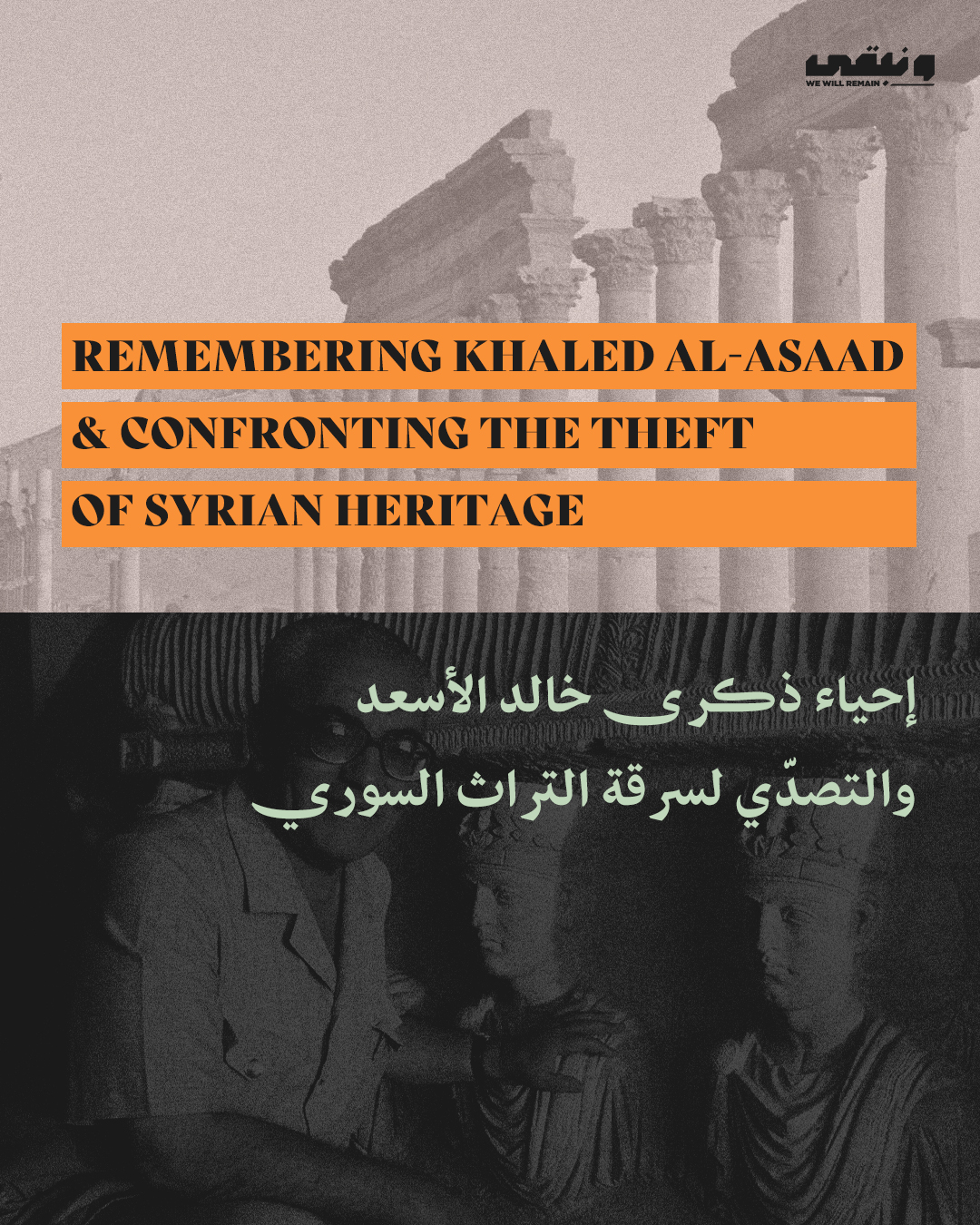
Remembering Khaled Al-Asaad & Confronting the Theft of Syrian Heritage
Once the guardian of Palmyra’s majestic ruins, Khaled Al-Asaad paid the ultimate price for refusing to betray the ancient city he loved. A towering figure in Syrian archaeology, Al-Asaad spent over 40 years unearthing Palmyra’s secrets, bringing global recognition to its history through his mastery of ancient languages and collaboration with international scholars. When ISIS overran the city in 2015, he hoped his presence might shield its soul. Instead, he was tortured and executed, a martyr to cultural memory. His story is a stark reminder that, in Syria, history itself has become a battleground. Amid ongoing looting and destruction, preserving heritage is no longer symbolic; it is survival.
8 months ago
Aleppo
History
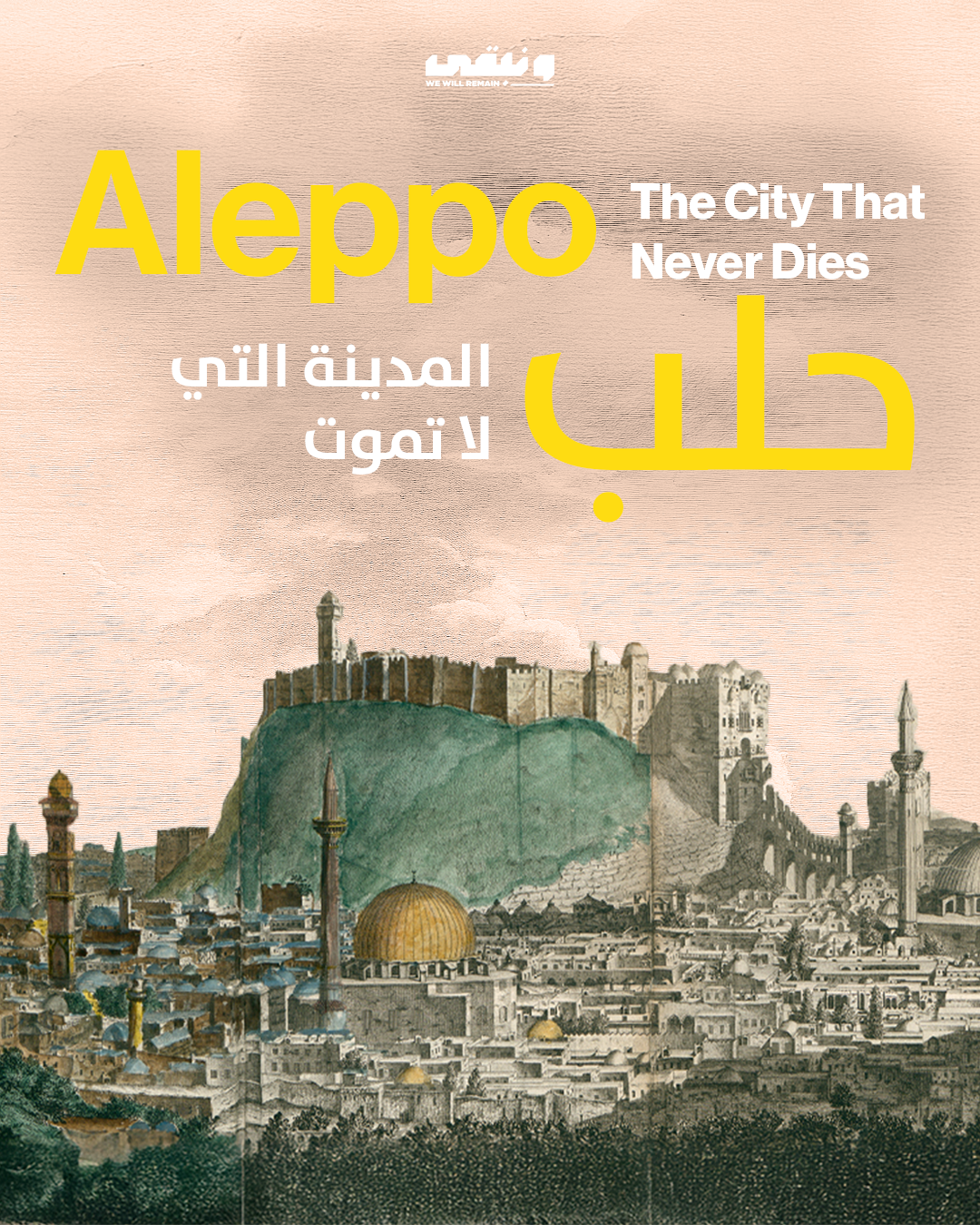
Aleppo: The City That Never Dies
Aleppo is one of the oldest continuously-inhabited cities in the world, a testament to resilience. Time and again, it has been destroyed by war, invasions, and natural disasters—yet each time, it was rebuilt. From ancient trade routes to its role as a cultural and commercial hub, Aleppo has adapted and thrived. Even after devastation from the Mongols, Tamerlane, and powerful earthquakes, its people preserved their heritage while shaping a prosperous future. Today, and despite the toll of war and the 2023 earthquake, Aleppo stands once more at the threshold of renewal. It is not merely a city that survives—it is a symbol of endurance, hope, and the unwavering power of rebirth.
10 months ago
Social Issues
Society
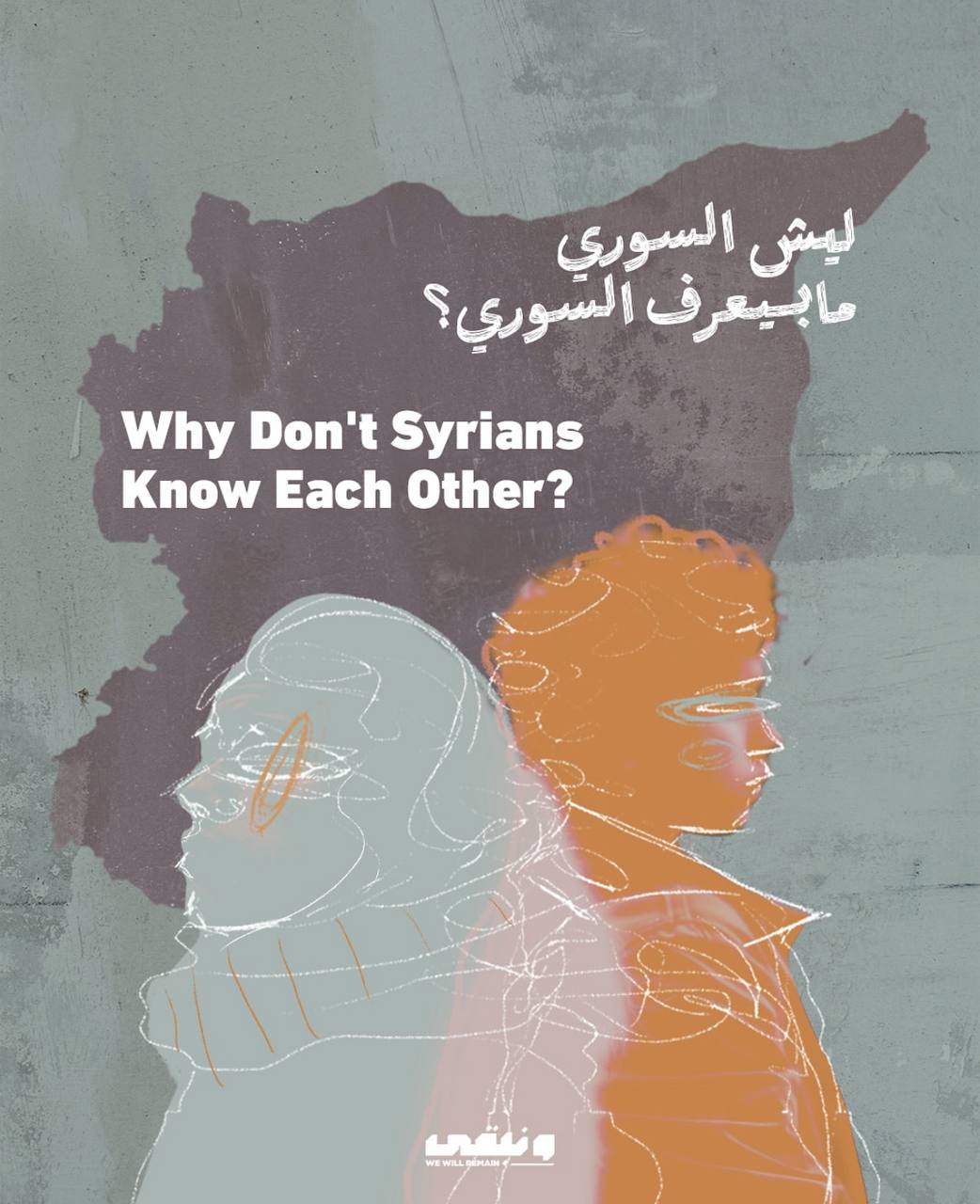
Why Don’t Syrians Know Each Other?
The truth is: most of us know nothing about each other, even though we are of one country, speak one dialect, and share the same food—and even the same sorrow. We don’t know how people from other regions grow up, nor which religions and sects represent them.
Years of fear and isolation have planted distance between us and turned us into strangers to one another. In the end, ignorance became a form of protection, and estrangement the natural result of distance. Yet, this might be a new beginning—a chance to understand ourselves and one another.
Despite the pain of conflict, it is not always the end. The sociologist Lewis Coser sees that conflict can be a chance to break down walls and face each other with honesty. When we ask the hard question about identity, belonging, injustice, and oppression, we begin to reopen the book of Syria, page by page.
The new Syria should recognize all of its narratives and components, rather than a duplicated version of the past. True understanding is not a luxury but a necessity to proceed, and diversity is not a burden but the wealth that could build a homeland that embraces everyone.
10 months ago

Uncategorized
The New Constitution: A Leap Forward or a Step Away From al-Assad?
The recent alterations to Syria's 2012 constitution have sparked significant concerns and raised important questions about the future. While the modifications are framed as a break from the past, they may not signify the shift many hope for. With a history of unfulfilled promises, it is essential to consider whether these reforms will lead to meaningful political and legal progress or merely maintain the existing power structures.
10 months ago

Social Issues
Society
Made in Turkey, Sold in Syria
Syria’s economy lies in ruins, and Turkey has stepped in—but is it to rebuild or to dominate? With Turkish goods flooding Syrian markets, local industries are struggling, and key resources are flowing north. Is this recovery or economic capture?
10 months ago

Aleppo
Ethnicity
History
Dayfa Khatun: The Forgotten Kurdish Princess of Aleppo
Dayfa Khatun ruled Aleppo (1236-1242) at a time of political upheaval, navigating complex power dynamics and preserving the city’s stability. As a Kurdish princess from the Ayyubid dynasty, she navigated the complex political landscape of the time, using diplomacy and strategic alliances to maintain the city’s independence while avoiding costly military conflicts. Her leadership was instrumental in ensuring Aleppo’s stability and prosperity. Dayfa Khatun also made significant contributions to the city's cultural and architectural development, commissioning important schools and fortifications. Her reign challenges the commonly held belief that medieval Islamic politics was exclusive to men and underscores the longstanding presence of Kurds in Syria, who have been an integral part of its history for centuries. Dayfa's legacy reminds us of the crucial contributions women played in shaping the history of their time, despite being largely overlooked in historical narratives.
10 months ago

Culture and Heritage
Dubbing in Syria: A Vocal Art Immortalized in the Memories of Generations
Syrian dubbing wasn’t just a tool for dialogue, but an entire art that added a new soul for international works. Due to the professional acting, the fluent Arabic spoken, and the careful attention to lip syncing and cultural adaptation, Syrian dubbing became an identifying feature of the Arab entertainment industry. Its voices are still ingrained in the memories of generations, bearing witness to a golden age of creativity in vocal works.
10 months ago

History
On the Culture of Criticism in Our Country: Do We Embrace It?!
Any problem or crisis can be resolved as long as we do not deny its existence, for when we disregard it, or are in denial of it, we set it up to become eternal, and we have had enough of eternal problems…
12 months ago

History
Threads of Heritage: Our Aghabani Tablecloth’s Journey from Damascus to Bonn
Aghabani tablecloths, embroidered with gold or silver threads, are a cherished part of Syrian culture, passed down through generations. Tracing back to Syrian-Ottoman history, Aghabani embroidered fabrics are particularly renowned among the men and women from Damascus and its outskirts, the city where this art has been practiced for over 200 years. Once gracing a Damascus dining table, this vintage beauty now adorns our home, symbolizing heritage, family, and the timeless art of Syrian craftsmanship.
Embroidering Aghabani textiles to make tablecloths or clothing is a skill passed down from generation to generation, mainly among Syrian women. Women bring their selected fabrics to woodblock printers that have a variety of designs to choose from. The selected designs are printed on the fabric with washable blue ink as a guide for the embroidery, which is usually done using a special Aghabani sewing machine with gold or silver viscose threads. The finished fabrics are then washed, ironed, and ready for sale in shops.
12 months ago

Diversity
History
Eternal Outsiders – the Roma in Syria
The term “gypsy” has been used throughout history in a pejorative way and is recognized by many members of the Dom community and researchers to be a derogatory term, particularly in Europe where they are known as the Roma people. Some members of Syrian society use the Arabic equivalent of the term, which is “Ghajar;” however, “Dom,” the equivalent of “Roma,” is also used.
As one of the ethnic groups that are most vulnerable to discrimination and persecution around the world, this community is considered a prominent ambiguous, diverse, and unrecognized group in Syria. They are known for practicing various professions, such as playing musical instruments, fortune telling, singing, and others; who are the Dom? So, what threat are we exactly facing? And what opportunity lies ahead? How can past mistakes be avoided? What is the most appropriate discourse style? This post seeks to address several issues that are directly related to ongoing social movement in Syria, in the hope of establishing a common ground on which everyone, as Syrians, can stand to engage in a meaningful discussion.
1 year ago

Social Issues
Society
December 8, 2024: A Dualism of Opportunity and Threat
“Any event [no matter its nature] is simultaneously an opportunity and a threat,” said a Syrian professor a few years ago. To seize the opportunity presented by the events of December 8, we should first recognize the accompanying threat and understand its facets. And before we extensively engage in political discussions and jostle to impose our opinions with respect to the structure of the upcoming political regime, we must ponder and address the societal issues that, if ignored, will impede building our country, especially in the midst of the “creative chaos” that we now live in.
So, what threat are we exactly facing? And what opportunity lies ahead? How can past mistakes be avoided? What is the most appropriate discourse style? This post seeks to address several issues that are directly related to ongoing social movement in Syria, in the hope of establishing a common ground on which everyone, as Syrians, can stand to engage in a meaningful discussion.